
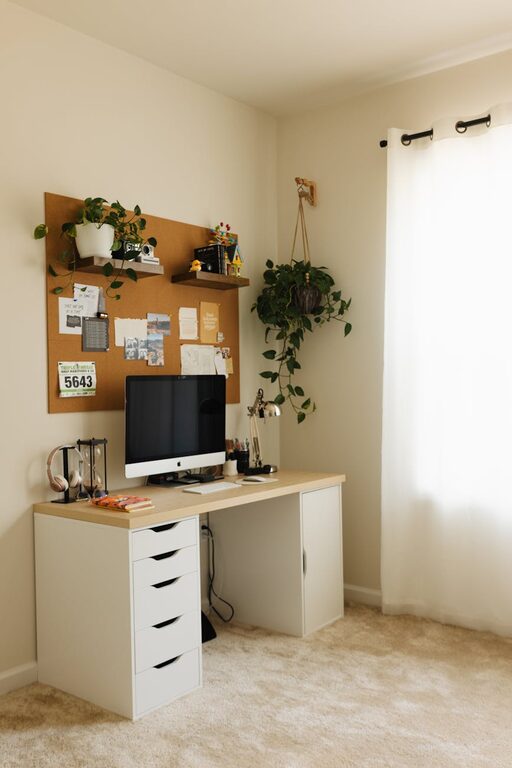
Creating a home office that feels both cozy and productive can be a game-changer for anyone working remotely or managing tasks at home. A well-designed space not only boosts your focus but also supports your well-being throughout the day. If you’re looking to transform a corner or room into a functional office, here are practical tips to guide you.
Choose the Right Location
Finding the perfect spot for your home office is the first step. Ideally, select a space with:
– Good natural light: Sunlight can improve mood and energy levels.
– Minimal distractions: Away from main living areas if possible.
– Adequate space: Enough room for your desk, chair, and storage needs.
If your options are limited, try to create a designated zone that signals “work time” visually.
Invest in Ergonomic Furniture
Comfort is key to staying productive. Consider:
– An ergonomic chair: Supports your back and promotes good posture.
– A spacious desk: Gives room for your computer, documents, and peripherals.
– Adjustable options: Standing desks or height-adjustable desks offer flexibility to switch positions throughout the day.
Ergonomic furniture helps reduce strain and keeps you comfortable during long work sessions.
Optimize Lighting
Proper lighting reduces eye strain and keeps you alert.
– Maximize natural light: Position your desk close to a window if possible but avoid glare on your screen.
– Add task lighting: A desk lamp with adjustable brightness works well for focused tasks.
– Use warm bulbs: They create a cozy atmosphere without sacrificing visibility.
Avoid harsh overhead lighting and seek balanced illumination.
Declutter and Organize
A tidy workspace improves concentration and creativity.
– Keep essentials within reach: Store frequently used items on your desk or in reachable drawers.
– Use organizers: Trays, file holders, and drawer dividers can keep papers and supplies neat.
– Minimize distractions: Remove unnecessary gadgets, and keep cables managed with clips or sleeves.
Regularly tidying your space helps maintain a clear mind.
Incorporate Personal Touches
Adding a bit of personality can make your office inviting and enjoyable.
– Decorate with plants: Indoor plants boost mood and air quality.
– Use artwork or photos: Choose images that inspire or calm you.
– Add soft textiles: Cushions, rugs, or throws warm up the space visually and physically.
Balance is key—too many decorations can become distractions.
Manage Noise and Privacy
Noise can impact your ability to focus.
– Noise-canceling headphones: Great for blocking household or external sounds.
– Soft materials: Curtains, rugs, and upholstered furniture help absorb sound.
– Room dividers or partitions: Useful if your office shares space with others.
Create a quiet corner where interruptions are minimized.
Technology Setup
Having the right tech setup boosts efficiency.
– Reliable internet: Ensure your connection supports video calls and file uploads smoothly.
– Multiple monitors: Helpful if you juggle several projects or documents.
– Keyboard and mouse: Ergonomic options reduce hand fatigue.
– Charging stations: Keep devices powered and cords organized.
Keep cables tidy with clips, and regularly update software to avoid disruptions.
Establish a Routine and Boundaries
Your physical space works best when paired with healthy habits.
– Designate work hours: Helps signal to yourself and others when you are unavailable.
– Use a dedicated workspace: When possible, avoid working from couches or beds.
– Take breaks: Step away from your desk regularly to refresh your mind.
Boundaries between work and personal life maintain productivity and mental health.
Final Thoughts
A cozy and productive home office balances comfort and function. Thoughtful choices in location, furniture, lighting, and organization can turn any space into a hub of creativity and efficiency. Remember to tailor your workspace to your unique preferences, and adapt it as your needs evolve. With these tips, you’ll create an environment where work feels less like a chore and more like a pleasant part of your day.